Nigerian digital media research archive
Nigerian internet memes, documented with context.
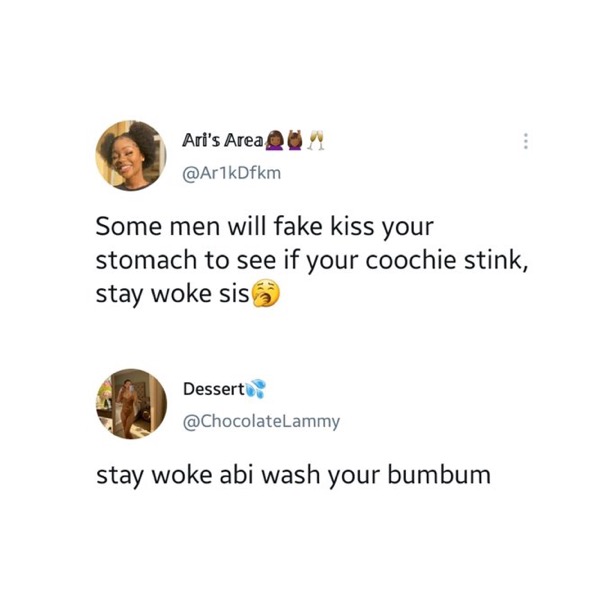
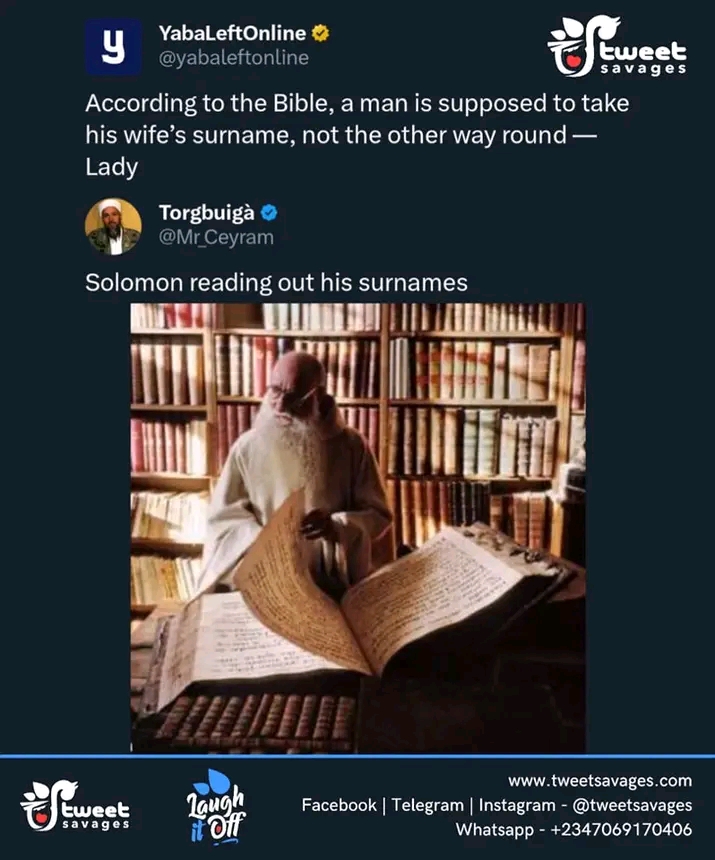
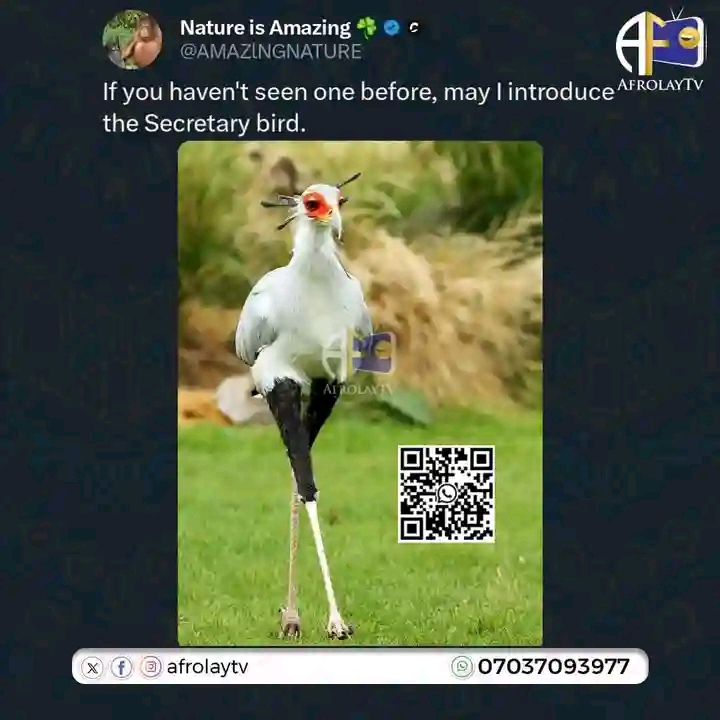
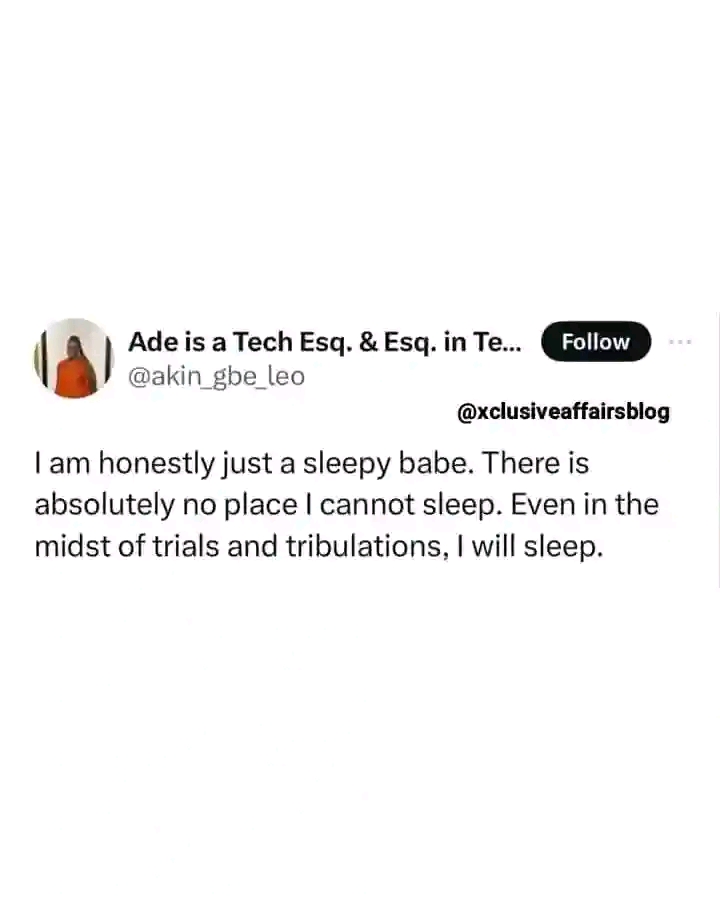
Vibes and Insha Allah is a working archive of images, jokes, and visual cultural texts circulating through Nigerian digital space.
Cached live corpus counts
Content warning
This archive contains memes that may reproduce sexist, ethnic, religious, homophobic, and other discriminatory or offensive language and imagery. These materials are preserved solely for research, documentation, and historical purposes. Some visitors may find them distressing or disturbing.
Make the moment a meme.
Bring a phrase, feeling, or everyday situation. The maker creates an original visual, can draw on owner-approved archive references, then adds your exact words as the caption.
No image upload is needed.
Public caption challenge
Caption this
Write the line that completes the image. Approved captions are rated by visitors, and the highest-rated entry wins automatically.
Grow the public archive
Contribute a record
Share a Nigerian internet-culture image or short video with useful context. Your upload enters a private review queue; it does not appear publicly until the archive owner approves it.
- No daily submission limit.
- Your contact email stays private.
- Approval for the archive does not make an item a meme reference.
- Rejected media files are removed after 30 days.
Contact us
Send a private message to the archive owner. Use this form for research enquiries, corrections, rights concerns, collaboration, or general questions.